Traditional Scottish ‘Wecht’ Drums
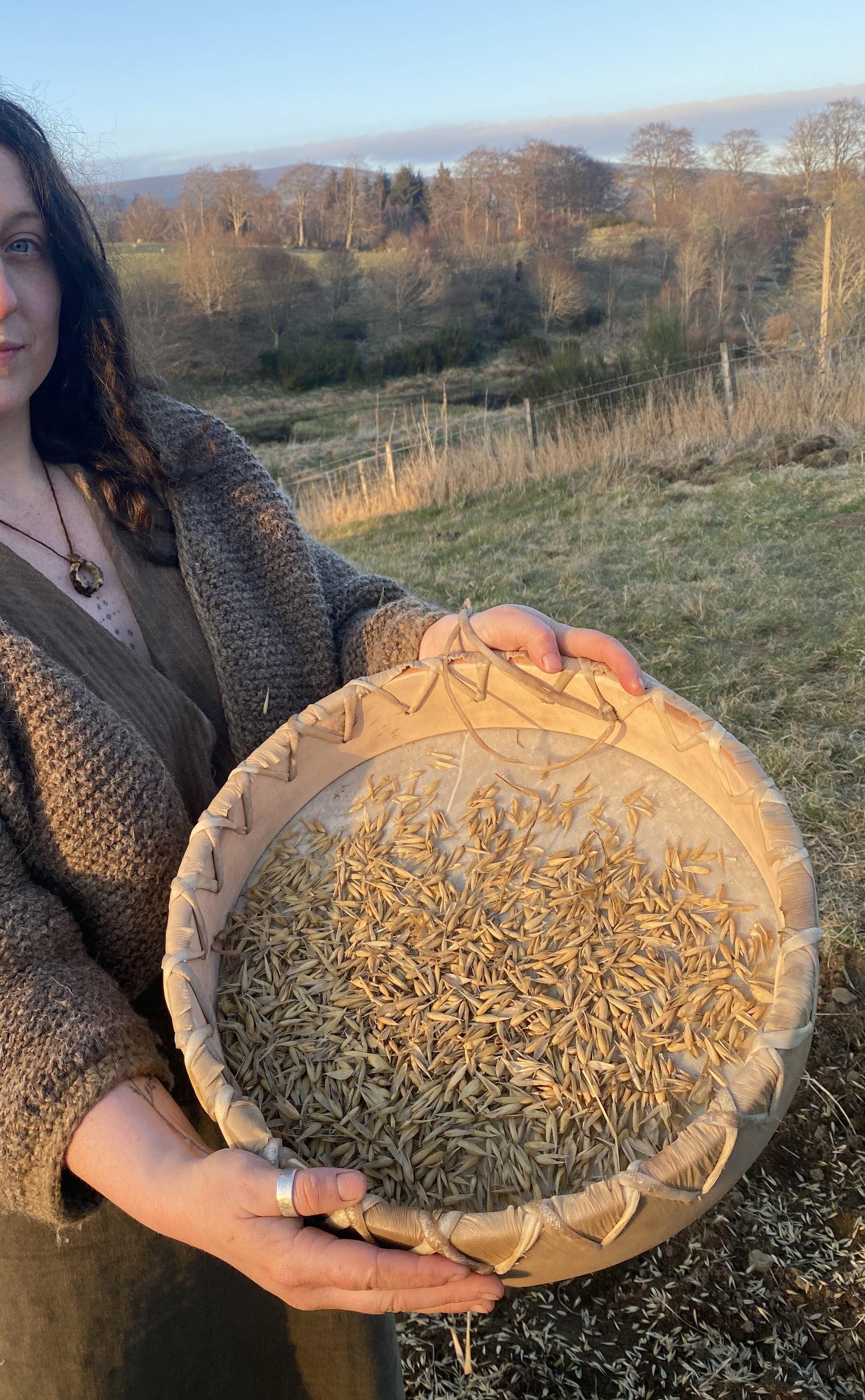
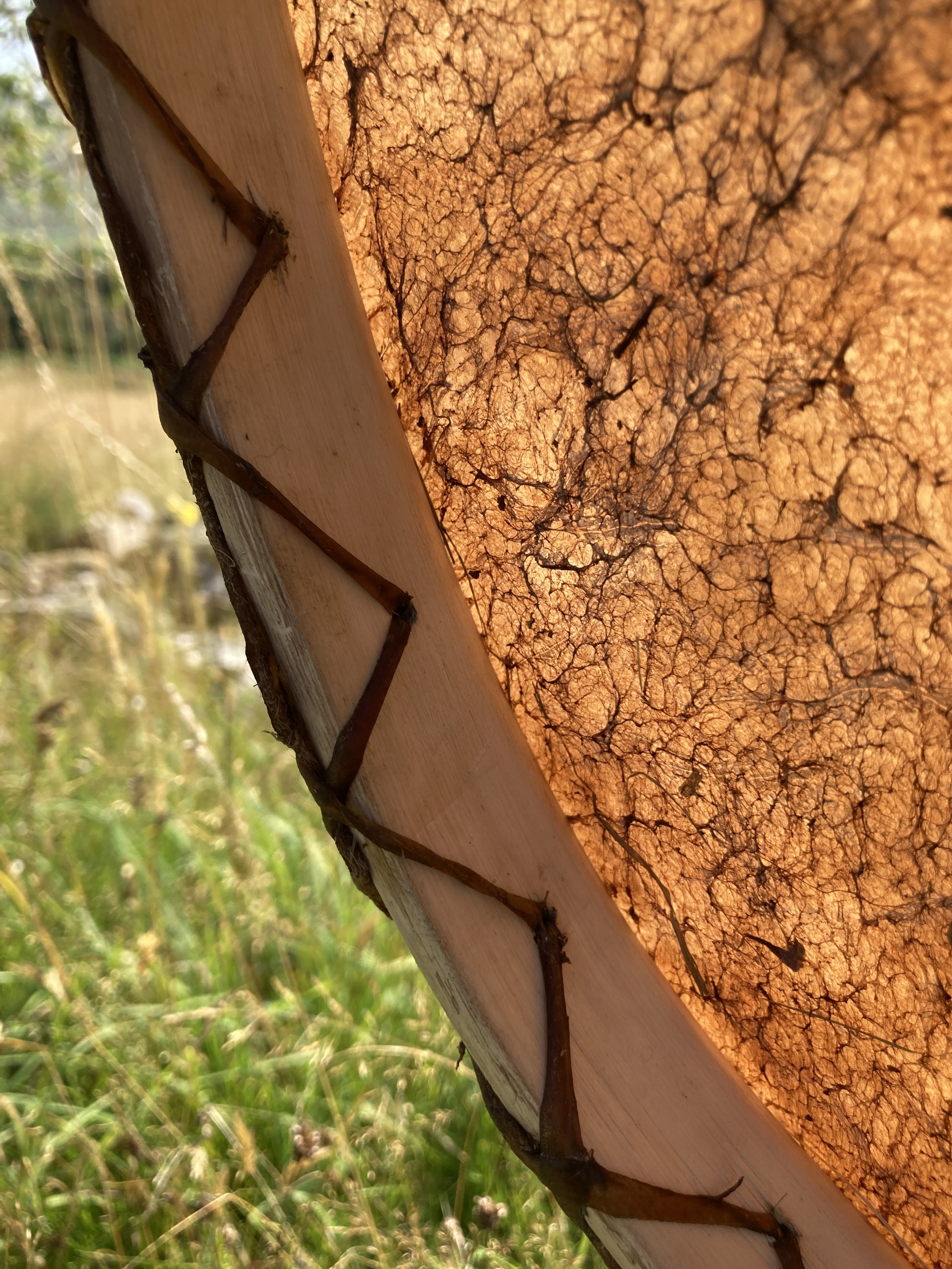
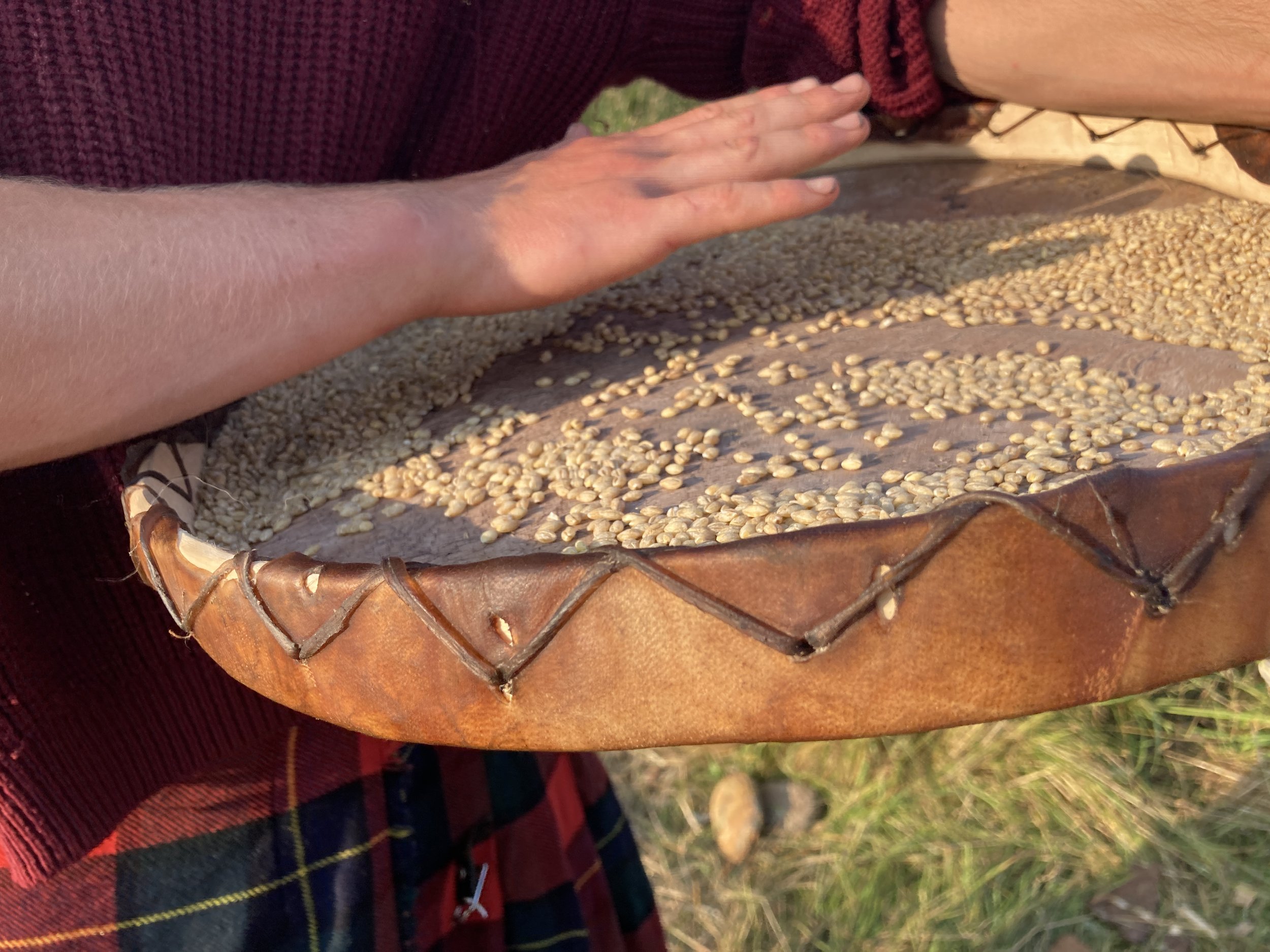
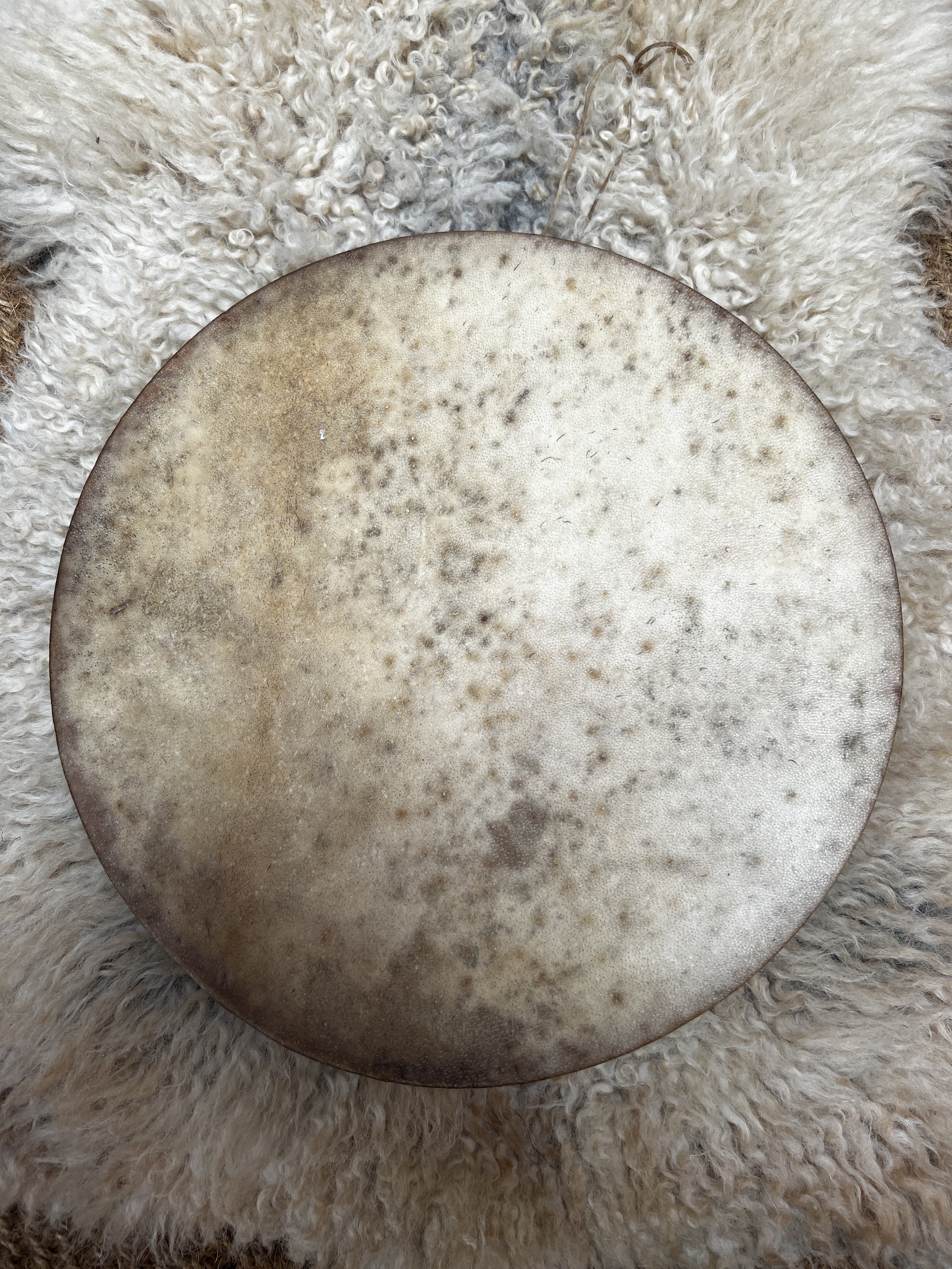
At Woodland Tannery, we produce some of the earliest known forms of Scottish drum. Through more than a decade of research - supported by collaboration with Scotland’s folk museums and historical collections - we have helped rediscover the origins of the Wecht drum and bring it back into living practice. At present, we are the only remaining makers actively producing these drums, drawing on historical evidence to develop a form that is faithful to their origins.
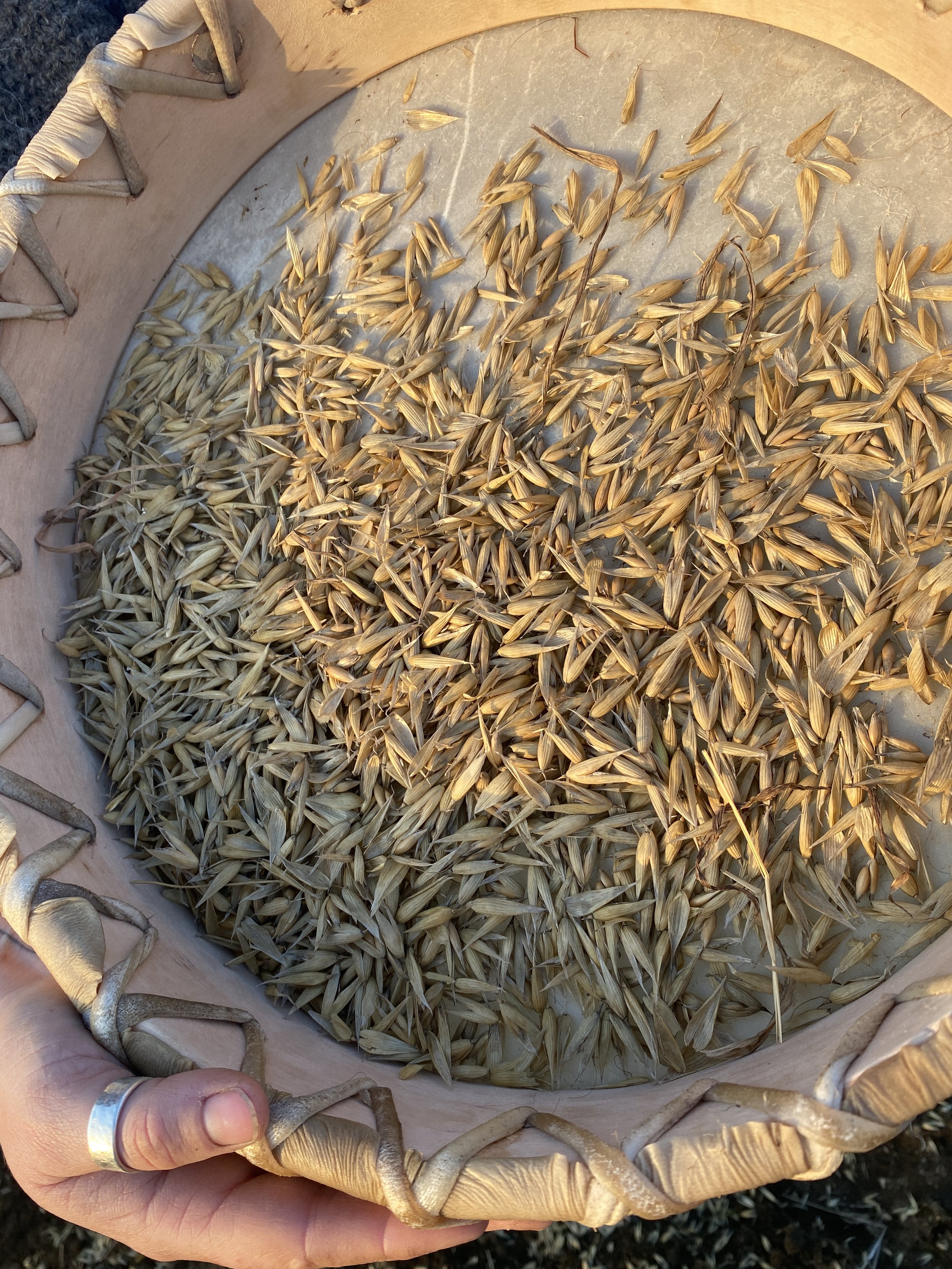
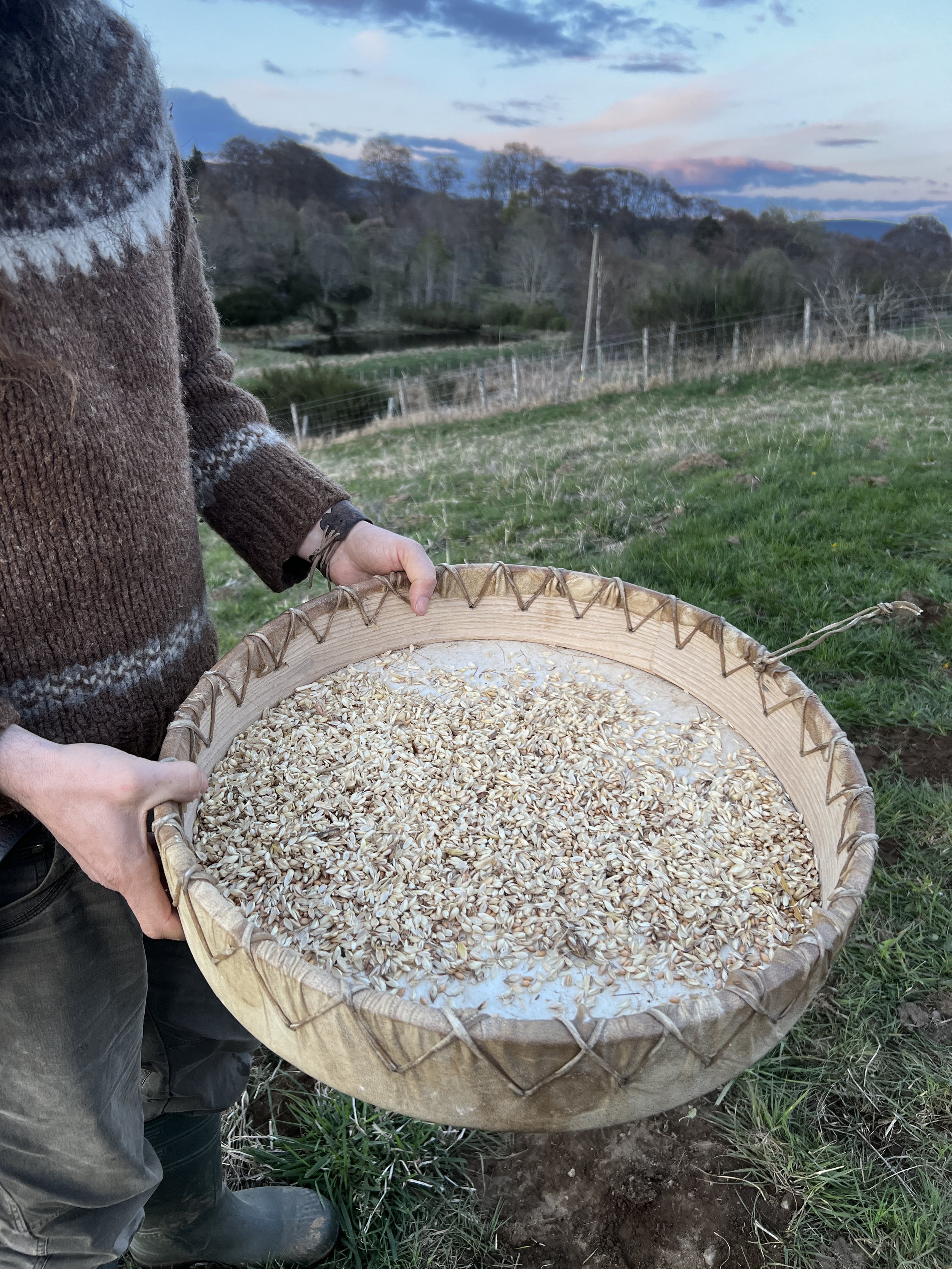
The Wecht drum is among Scotland’s oldest known drums, with evidence placing its use as early as the 14th century. These drums were deeply practical objects. Alongside their role as musical instruments, they were used in agricultural life to process grain, process wool, aswell as a variety of other practical uses. They also served as tools of communication during times of rebellion and war.
Early Scottish drums were typically open-backed, allowing them to be played in a manner similar to a bodhrán, which shares similar origins.
Traditionally, Wecht drums were made using materials readily available to people working the land. Sheep hides were most common, with deer and goat also widely used. We continue this practice today, offering drums made from sheep, deer, or goat hide, each chosen for its particular tonal qualities and character.
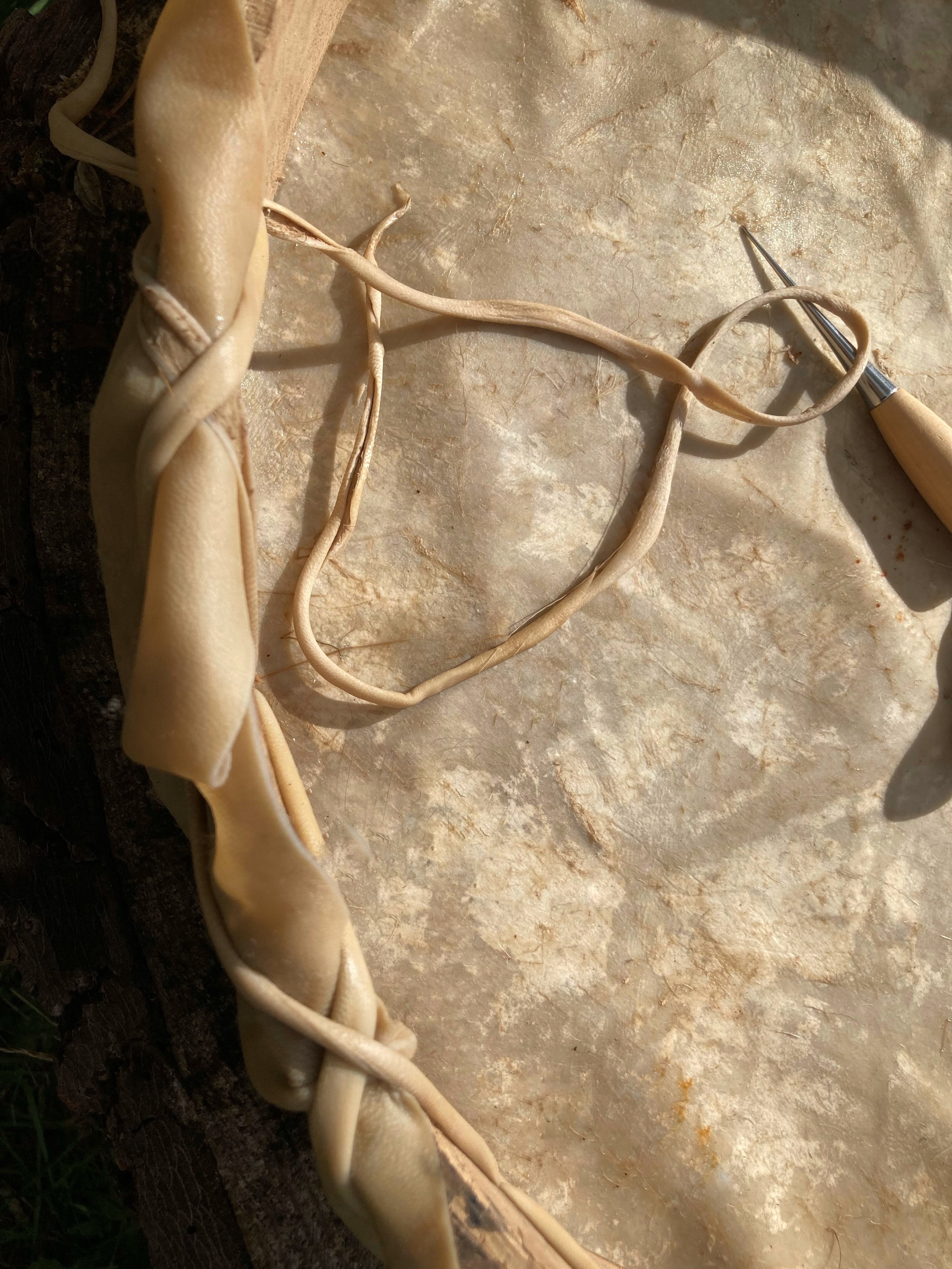
Every Wecht drum we make is crafted slowly by hand, using traditional tanning and rawhide techniques developed within our tannery.
If you would like further information, to discuss commissioning a drum, or to enquire about our Wecht drum making workshops, please get in touch via our contact form.