Traditional Bark Tanning Before Modern Chemicals
For most of human history, leather was produced slowly and carefully using natural materials. Long before modern chemical tanning methods were developed, people relied on the tannins found in tree bark to transform animal hides into durable leather. At Woodland Tannery, we continue to practise elements of this traditional craft, using time-honoured methods that have changed little for centuries. This page explains how bark tanning works, why it takes so long, and why the leather it produces is valued for its strength, character, and longevity…
What Is Bark Tanning?
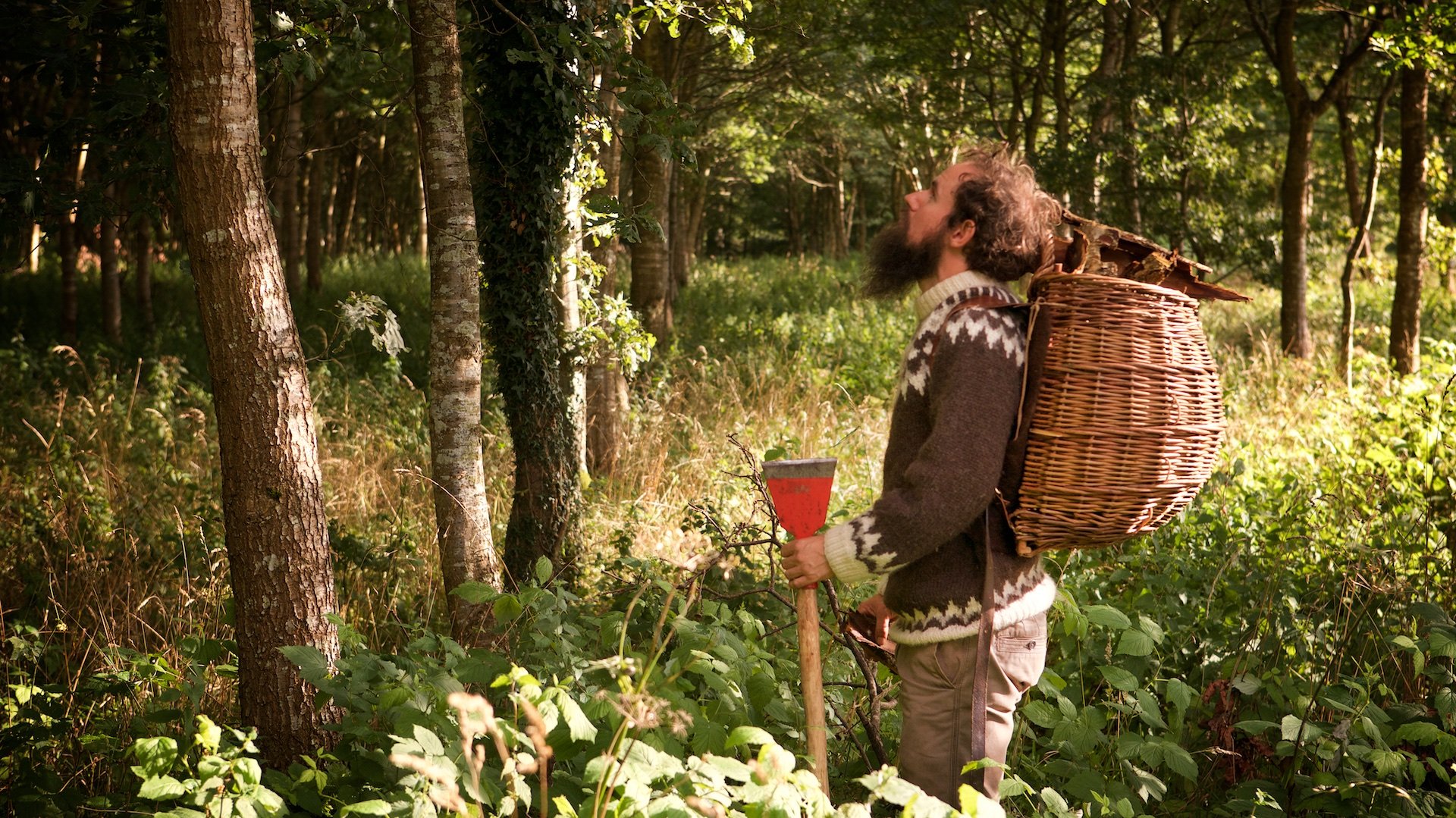
Bark tanning is a traditional method of vegetable tanning that uses tannins extracted from tree bark — most commonly oak. Tannins are natural compounds that bind to the proteins within an animal hide. Over time they stabilise the fibres, preventing decay and gradually transforming the raw hide into leather. Unlike modern industrial tanning processes, bark tanning relies entirely on natural materials and slow immersion in tanning liquors made from bark extracts. Historically, this process could take many months, and in some cases more than a year.
The Bark Tanning Process
Before tanning can begin, the hides must be carefully prepared. Fresh hides are first scraped to remove fat and flesh, and soaked in water to remove dirt and salt. They are then treated to loosen the hair and outer layers of the skin (if removing the hair for leather), allowing the underlying fibres to be exposed. At this stage the material is still rawhide, a strong and useful material when dried but still vulnerable to moisture. The tanning process is what permanently stabilises the fibres.
Once prepared, the hides are immersed in tanning liquors made by boiling tree bark in water. These liquors contain naturally occurring tannins, which slowly penetrate and preserve the skin over time. Traditionally, hides would be moved through a series of pits with progressively stronger solutions (however, by carefully controlling the pH in a preparatory stage known as pickling, the hide can often be tanned in a single bath). Over time, the tannins bind to the collagen fibres within the skin, which gradually converts the raw hide into leather that is stable, durable, and resistant to decomposition.
Why Traditional Tanning Takes Time
Modern chrome tanning can transform a hide into leather in a matter of days. By contrast, traditional vegetable tanning relies on natural diffusion. The tannins must slowly move through the dense fibre structure of the hide, a process that simply cannot be accelerated without altering the character of the material. This slow process produces leather with a distinctive firmness and depth that many craftspeople value highly.
Leather produced using bark tannins develops a rich colour and gradually acquires a natural patina with age. Because the fibres are stabilised gradually, the material retains a distinctive strength and structure that makes it well suited to traditional uses such as saddlery, belts, and durable leather goods. Each hide carries subtle variations that reflect both the natural material and the slow process used to create it.
Traditional Tanning Today
Although industrial leather production now dominates the global market, a small number of traditional tanneries continue to practise older methods. Although bark tanning (oak bark tanning specifically) is listed as an critically endangered craft by the Heritage Crafts Association, there are a few small tanneries still operating in the UK. Such as -
Oak and Smoke Tannery - South Devon
Organic Sheepskins - Somerset
Tan y Derw - Mid Wales
Nidderdale Tannery - Yorkshire
Cotmarsh Tannery - Wiltshire
Billy Tannery - Leicestershire